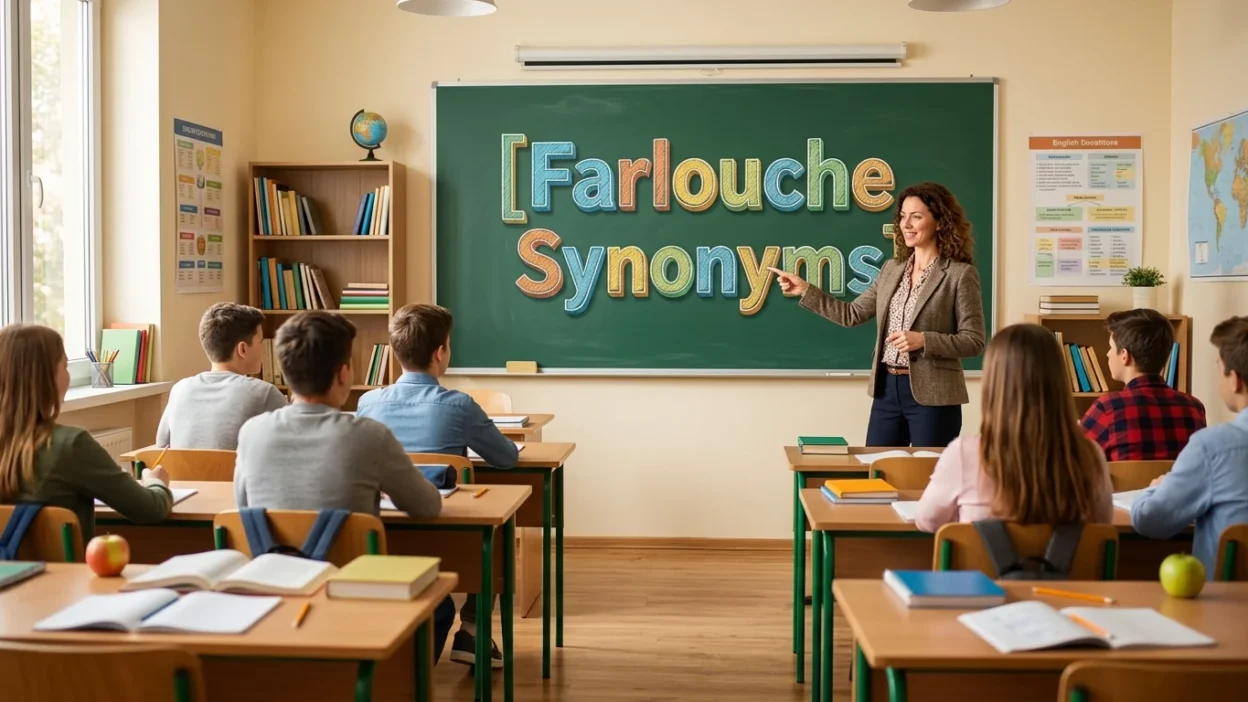
The word farlouche is commonly intended as farouche, a word used to describe someone or something that is shy, wild, untamed, or unwilling to mix easily with others. It can describe a person who avoids social contact or an animal that is not comfortable around humans.
Learning farlouche synonyms can help students, ESL learners, writers, and content creators choose more accurate words for different situations. While shy may describe a quiet person, wild may be better for an untamed animal, and reserved may describe someone who does not openly express feelings.
The best alternative depends on the context and tone. Some synonyms sound gentle and polite, while others suggest fear, isolation, independence, or an untamed nature.
What Does Farlouche Mean?
The word farlouche is generally understood as a misspelling or variation of farouche.
Farouche can mean shy, unsociable, distrustful, or wild. It is often used for people who avoid social interaction and animals that have not been domesticated.
Tone and Usage
Farouche is a somewhat formal and literary word. It can sound more descriptive than simple words such as shy or nervous.
For a person, it may suggest someone who is distant, private, or difficult to approach.
For an animal, it can suggest that the animal is wild, untamed, or fearful of humans.
Example
The farouche child stayed away from the other guests.
Another example is:
The farouche horse refused to come near the people.
30 Farlouche Synonyms and Related Words
1. Shy
Meaning: Uncomfortable or nervous around other people.
Example Sentence: The shy student rarely spoke during class.
Best Usage Context: Everyday English, people, children, and social situations.
2. Bashful
Meaning: Easily embarrassed or shy, especially around other people.
Example Sentence: The bashful child hid behind her mother when guests arrived.
Best Usage Context: Children, friendly descriptions, and gentle writing.
3. Reserved
Meaning: Quiet and unwilling to openly share feelings or opinions.
Example Sentence: He was reserved during the first few meetings.
Best Usage Context: Professional, social, and personality descriptions.
4. Retiring
Meaning: Shy and not interested in attracting attention.
Example Sentence: She was a retiring person who preferred quiet gatherings.
Best Usage Context: Formal and literary descriptions of personality.
5. Introverted
Meaning: More comfortable with quiet situations and limited social interaction.
Example Sentence: The introverted student preferred reading alone during lunch.
Best Usage Context: Personality descriptions and psychology-related writing.
6. Withdrawn
Meaning: Avoiding contact with other people and keeping to oneself.
Example Sentence: He became withdrawn after moving to the new school.
Best Usage Context: Emotional, social, and behavioral descriptions.
7. Unsociable
Meaning: Not enjoying or seeking social interaction.
Example Sentence: The unsociable man preferred spending his evenings alone.
Best Usage Context: Personality descriptions and formal writing.
8. Antisocial
Meaning: Avoiding social contact or behaving in ways that go against social rules.
Example Sentence: The character is portrayed as antisocial and distrustful.
Best Usage Context: Be careful with this word because it can have a stronger psychological or behavioral meaning than farouche.
9. Aloof
Meaning: Emotionally distant and not very friendly or involved.
Example Sentence: She seemed aloof when the new students approached her.
Best Usage Context: Personality, relationships, and descriptive writing.
10. Distant
Meaning: Not friendly, warm, or emotionally close.
Example Sentence: His distant manner made it difficult to start a conversation.
Best Usage Context: Personality and emotional relationships.
11. Unapproachable
Meaning: Difficult to approach or talk to.
Example Sentence: The manager looked unapproachable at first.
Best Usage Context: People, professional situations, and social descriptions.
12. Reclusive
Meaning: Choosing to live away from other people and society.
Example Sentence: The writer became reclusive after years of public attention.
Best Usage Context: People who deliberately avoid society.
13. Solitary
Meaning: Existing or spending time alone.
Example Sentence: The solitary artist worked quietly in a small studio.
Best Usage Context: People, animals, lifestyles, and literary descriptions.
14. Isolated
Meaning: Separated from other people or places.
Example Sentence: The isolated boy rarely joined group activities.
Best Usage Context: People, places, communities, and situations.
15. Private
Meaning: Not willing to share personal thoughts or information.
Example Sentence: She was very private about her family life.
Best Usage Context: Personality, relationships, and everyday writing.
16. Quiet
Meaning: Not talking much or making much noise.
Example Sentence: The quiet student listened carefully throughout the lesson.
Best Usage Context: Everyday English and simple descriptions.
17. Timid
Meaning: Lacking confidence and easily frightened or nervous.
Example Sentence: The timid puppy stayed close to its owner.
Best Usage Context: People and animals, especially when fear is involved.
18. Meek
Meaning: Gentle, quiet, and unlikely to argue or resist.
Example Sentence: The meek child rarely complained about anything.
Best Usage Context: Personality descriptions and literary writing.
19. Coy
Meaning: Shy or pretending to be shy in a playful or deliberate way.
Example Sentence: She gave a coy smile before answering the question.
Best Usage Context: Social behavior, romance, and expressive writing.
20. Diffident
Meaning: Lacking confidence, especially when speaking or dealing with others.
Example Sentence: His diffident manner made him hesitant to share his ideas.
Best Usage Context: Formal, academic, and professional writing.
21. Apprehensive
Meaning: Worried or nervous about something that may happen.
Example Sentence: The apprehensive dog backed away from the unfamiliar visitor.
Best Usage Context: Fear, uncertainty, and nervous behavior.
22. Wary
Meaning: Careful because you do not fully trust someone or something.
Example Sentence: The wary cat refused to approach the stranger.
Best Usage Context: People, animals, danger, and situations involving distrust.
23. Distrustful
Meaning: Unwilling to trust someone or something.
Example Sentence: The distrustful animal avoided anyone who came near it.
Best Usage Context: People, animals, relationships, and social situations.
24. Fearful
Meaning: Feeling or showing fear.
Example Sentence: The fearful dog ran away when the door opened.
Best Usage Context: Animals, people, danger, and emotional descriptions.
25. Wild
Meaning: Not domesticated, controlled, or influenced by humans.
Example Sentence: The researchers observed a wild fox in the forest.
Best Usage Context: Animals, nature, and untamed environments.
26. Untamed
Meaning: Not controlled, trained, or domesticated.
Example Sentence: The untamed horse refused to accept a rider.
Best Usage Context: Animals, nature, and figurative descriptions.
27. Feral
Meaning: Wild and living independently after coming from domesticated animals.
Example Sentence: A feral cat lived near the abandoned building.
Best Usage Context: Animals and nature; more specific than simply wild.
28. Uncivilized
Meaning: Described as lacking the social habits or organization considered normal in a particular society.
Example Sentence: The old story describes the remote tribe using outdated ideas about civilization.
Best Usage Context: Historical or critical contexts. Use carefully because the word can sound judgmental.
29. Hermit-like
Meaning: Living or behaving like someone who avoids society and prefers solitude.
Example Sentence: His hermit-like lifestyle kept him away from the busy city.
Best Usage Context: Informal, descriptive, and literary writing.
30. Antisocially Withdrawn
Meaning: Strongly avoiding social interaction or contact with others.
Example Sentence: The character becomes increasingly socially withdrawn throughout the story.
Best Usage Context: Character descriptions and discussions of social behavior.
Comparison Guide for Farlouche Synonyms
| Synonym | Main Meaning | Best Context | Tone |
|---|---|---|---|
| Shy | Nervous around people | Everyday situations | Neutral |
| Bashful | Easily embarrassed | Children and gentle descriptions | Gentle |
| Reserved | Quiet about feelings | Professional and social situations | Neutral |
| Retiring | Avoids attention | Literary descriptions | Formal |
| Introverted | Prefers quiet and limited social interaction | Personality | Neutral |
| Withdrawn | Pulls away from others | Emotional and social situations | Serious |
| Aloof | Emotionally distant | Personality and relationships | Neutral |
| Unapproachable | Difficult to talk to | People and workplaces | Neutral |
| Reclusive | Deliberately avoids society | Lifestyle | Formal |
| Solitary | Spends time alone | People and animals | Neutral |
| Timid | Easily frightened or lacking confidence | People and animals | Gentle |
| Wary | Careful because of distrust | People and animals | Neutral |
| Distrustful | Lacking trust | Relationships and animals | Neutral |
| Fearful | Showing fear | People and animals | Neutral |
| Wild | Not domesticated | Animals and nature | Neutral |
| Untamed | Not controlled or trained | Animals and nature | Descriptive |
| Feral | Wild animal of domestic origin | Animals | Specific |
| Diffident | Lacking confidence | Formal writing | Formal |
| Coy | Playfully shy | Social and romantic contexts | Expressive |
| Private | Keeps personal matters secret | Personality | Neutral |
How to Choose the Right Farlouche Synonym
The right synonym depends on why someone or something is farouche.
For Simple Shyness
Choose shy, bashful, or timid.
These are good choices when a person or animal is uncomfortable because of nervousness.
Example:
The shy child avoided speaking to strangers.
For Quiet Personalities
Choose reserved, retiring, quiet, or private.
These words do not necessarily mean that the person is afraid. They may simply prefer not to talk or share personal information.
Example:
She was reserved but friendly once she got to know people.
For Social Withdrawal
Choose withdrawn, reclusive, solitary, or isolated.
These words suggest a stronger separation from other people.
Example:
The writer became reclusive and stopped attending public events.
For Emotional Distance
Choose aloof, distant, or unapproachable.
These words are useful when someone seems difficult to connect with.
Example:
The new manager appeared aloof during the first meeting.
For Lack of Confidence
Choose diffident, timid, or meek.
These words are appropriate when someone avoids interaction because they do not feel confident.
Example:
His diffident nature made him reluctant to speak in front of the group.
For Fear or Distrust
Choose wary, fearful, apprehensive, or distrustful.
These are especially useful when someone or an animal avoids others because they expect danger or do not trust them.
Example:
The wary dog would not approach the unfamiliar person.
For Wild Animals
Choose wild, untamed, or feral.
These words are more appropriate when farouche describes an animal rather than a person’s personality.
Example:
The untamed horse ran toward the open field.
Farouche vs Shy
Shy is the simplest everyday synonym for farouche when describing a person.
Example:
The shy girl avoided the crowd.
Farouche can suggest more than ordinary shyness. It may imply that someone is distant, unsociable, or difficult to approach.
Farouche vs Reserved
Reserved means someone does not openly express thoughts or emotions.
Example:
He is reserved and rarely talks about his personal life.
Farouche can sound stronger because it may suggest active avoidance or distrust.
Farouche vs Aloof
Aloof describes emotional or social distance.
Example:
The teacher seemed aloof during the meeting.
This is useful when someone appears detached rather than simply nervous.
Farouche vs Timid
Timid emphasizes fear or lack of confidence.
Example:
The timid puppy hid behind the chair.
If the main idea is fear, timid is usually more precise than farouche.
Farouche vs Wild
When describing animals, farouche can overlap with wild or untamed.
However, wild focuses mainly on the animal’s lack of domestication, while farouche can emphasize its reluctance to interact with humans.
Example:
The wild horse lived freely in the mountains.
The farouche horse refused to let anyone approach it.
Common Mistakes When Using Farlouche Synonyms
Not every synonym has exactly the same meaning.
- Shy focuses on social nervousness.
- Timid often suggests fear or lack of confidence.
- Reserved suggests controlled or limited self-expression.
- Aloof suggests emotional distance.
- Withdrawn suggests pulling away from social interaction.
- Reclusive suggests deliberately avoiding society.
- Wary focuses on caution and distrust.
- Fearful focuses directly on fear.
- Wild describes something that is not domesticated.
- Feral is more specific and commonly describes animals living in a wild state.
- Coy can suggest deliberate or playful shyness.
- Antisocial can have a much stronger meaning and should not automatically replace farouche.
Choosing a synonym based on the exact context makes your writing more accurate.
Why Learning Farlouche Synonyms Is Useful
Learning alternatives to farlouche can improve vocabulary and help writers describe personality and behavior with greater precision.
For example, saying someone is shy gives one impression. Calling the person reserved, aloof, withdrawn, or reclusive gives different information about their behavior.
The same is true for animals. A wary animal may distrust people, while a feral animal has a specific relationship with domestication and human environments.
This difference is important for students, ESL learners, writers, and content creators who want their English to sound natural and accurate.
FAQs
What is another word for farlouche?
If you mean farouche, useful alternatives include shy, reserved, timid, aloof, withdrawn, wary, wild, and untamed.
Is farouche the same as shy?
Not always. Farouche can mean shy, but it can also suggest someone who is distant, unsociable, distrustful, or difficult to approach.
What is a simple synonym for farouche?
Shy is usually the simplest synonym when describing a person.
What is a formal synonym for farouche?
Depending on the context, reserved, retiring, diffident, or reclusive can work well in formal writing.
What is a synonym for farouche when describing an animal?
Useful choices include wild, untamed, feral, wary, timid, and fearful, depending on the exact meaning.
Is aloof a synonym for farouche?
Aloof can be a synonym when farouche means emotionally distant or difficult to approach. However, aloof does not necessarily imply shyness or fear.
What is the opposite of farouche?
Possible opposites include friendly, sociable, approachable, outgoing, tame, and trusting, depending on the context.
Conclusion
The word farlouche is generally best understood as farouche, which can describe someone who is shy, distant, unsociable, distrustful, or an animal that is wild and difficult to approach.
The best synonym depends on the exact meaning. Use shy for simple social nervousness, reserved for limited self-expression, aloof for emotional distance, withdrawn for social separation, and wary when distrust is important.
For animals, wild, untamed, and feral can be useful choices. Understanding these small differences allows you to choose words that communicate your meaning more clearly.
Whether you are a student, ESL learner, writer, or content creator, learning these farlouche synonyms can make your vocabulary richer and your writing more precise.

Julian Luke is a passionate grammar and language writer at Synolexes. He simplifies complex grammar rules, vocabulary, and writing concepts, helping learners improve their English communication skills with confidence.