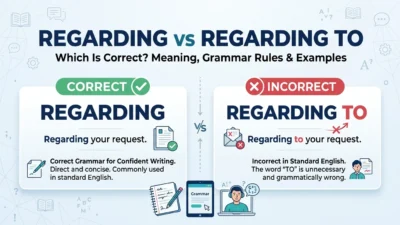

When comparing lovie vs lovey, both spellings can appear in English, but their meanings and usage depend on the context. Lovey is a recognized informal term of endearment for someone you love, and it can also refer to a child’s comfort object, such as a soft blanket or toy. Lovie is sometimes used as a nickname, affectionate name, or personal name, but it is less established as a general dictionary word.
These spellings are easy to confuse because they sound alike and can both express affection. However, choosing the right one depends on what you want to communicate. If you are writing a sweet message to a partner, describing a child’s favorite comfort toy, or choosing an affectionate nickname, understanding the difference can help you use the words naturally. This guide explains the meanings of lovie and lovey, provides practical examples, and shows when each spelling is appropriate.
Quick Answer: Lovie or Lovey?
Lovey is the more established spelling for an affectionate term used for a loved one or a child’s comfort object. Lovie is also used as a personal name, nickname, or informal affectionate spelling. Neither form is automatically wrong in every context, so choose lovey for the recognized general term and lovie when it is an intentional name or preferred nickname.
Why Do People Confuse Lovie and Lovey?
People confuse lovie and lovey because they are pronounced similarly and both are associated with affection. In informal messages, nicknames often have flexible spellings, which makes the distinction less obvious.
Another reason is that English allows different spellings for personal names and affectionate expressions. A person might prefer Lovie as a nickname, while a dictionary or parenting article may use lovey for a comfort object.
The important point is to consider the context rather than assuming that one spelling is always correct and the other is always incorrect.
What Does Lovie Mean?
Lovie is commonly used as an affectionate nickname or personal name. It may be used for a romantic partner, family member, friend, or child. Some people also choose Lovie as a spelling for a pet name.
Because nicknames are personal, their spelling can vary from one person to another. If someone prefers to be called Lovie, that spelling should be respected.
Examples of Lovie in Sentences
- Good morning, Lovie! I hope you have a wonderful day.
- She calls her little daughter Lovie as a sweet nickname.
- Lovie is the name written on the birthday card.
- He saved his partner’s contact under the name Lovie.
- Everyone in the family calls her Lovie.
In these examples, Lovie functions as a nickname or name rather than the standard term for a comfort object.
What Does Lovey Mean?
Lovey is an informal term of endearment used for someone who is loved. It can also refer to a soft toy, blanket, or other comfort object that a young child carries for reassurance.
The word is especially familiar in family conversations and parenting contexts. Its exact meaning depends on how it is used.
Examples of Lovey in Sentences
- Good night, lovey. Sleep well.
- The toddler takes her lovey to bed every night.
- He bought a soft lovey for his newborn niece.
- My little boy feels safe when he holds his favorite lovey.
- She called her partner lovey in a sweet text message.
When referring to a child’s comfort object, lovey is the established spelling to choose.
Lovie vs Lovey: Comparison Table
| Feature | Lovie | Lovey |
|---|---|---|
| Common use | Personal name or affectionate nickname | Term of endearment or comfort object |
| Meaning | A name or informal pet name | Someone dear, or a child’s comfort item |
| Standard dictionary usage | More limited as a general term | More established |
| Common context | Personal messages, names, nicknames | Affectionate speech, parenting, comfort toys |
| Example | Good night, Lovie. | The baby sleeps with her lovey. |
| Best choice | When it is someone’s chosen name or nickname | For the general term or a comfort object |
The difference is mainly about conventional usage and context. Both spellings may appear as affectionate nicknames, but lovey is the clearer choice for a general term or a child’s comfort item.
When Should You Use Each Word?
When Should You Use Lovie?
Use lovie when it is the preferred spelling of someone’s name or nickname, or when you intentionally choose that spelling for an affectionate message.
1. For a personal nickname
Example: Lovie, I hope your day is full of happiness.
2. For a contact name
Example: She saved her husband’s number as Lovie.
3. For a personalized card
Example: Happy birthday, Lovie! You make every day brighter.
4. For a pet name
Example: Come here, Lovie. I have a surprise for you.
When Should You Use Lovey?
Use lovey when you want to use the established informal term of endearment or describe a child’s comfort object.
1. For an affectionate expression
Example: Are you feeling better, lovey?
2. For a baby’s comfort toy
Example: The baby reaches for her lovey when she feels tired.
3. For a bedtime object
Example: Please put your lovey beside your pillow.
4. For a parenting or product description
Example: This soft lovey is designed to give babies a familiar comfort object.
15 Examples of Lovie vs Lovey
These examples show how the two spellings may be used in different situations.
| Sentence | Best Choice | Why |
|---|---|---|
| Good morning, lovey. | Lovey | An affectionate term |
| Good morning, Lovie. | Lovie | A chosen nickname |
| The baby carries her lovey everywhere. | Lovey | A comfort object |
| I wrote Lovie on the gift tag. | Lovie | A personal name or nickname |
| Sleep well, lovey. | Lovey | A term of endearment |
| Her nickname is Lovie. | Lovie | An intentionally chosen spelling |
| The toddler lost his lovey at daycare. | Lovey | A child’s comfort item |
| Happy anniversary, Lovie! | Lovie | A personalized pet name |
| Come here, lovey. | Lovey | An affectionate form of address |
| Lovie is what her friends call her. | Lovie | A nickname |
| The child hugs her lovey while sleeping. | Lovey | A comfort object |
| Thank you for helping me, lovey. | Lovey | A term of affection |
| The card says, For my Lovie. | Lovie | A personalized nickname |
| He bought a new lovey for his baby. | Lovey | A soft comfort toy |
| Everyone calls her Lovie at home. | Lovie | A personal nickname |
Some of these uses overlap because affectionate nicknames do not always follow a single fixed spelling. When writing to a specific person, their preferred spelling matters most.
Common Mistakes to Avoid
1. Assuming Lovie Is Always Incorrect
Lovie is used as a nickname and personal name. It should not automatically be corrected when someone has intentionally chosen that spelling.
Example: Happy birthday, Lovie!
2. Using Lovie When Describing a Comfort Object
When you mean a child’s soft blanket or comfort toy, lovey is the more established spelling.
Less common: The baby brought her lovie to bed.
Preferred: The baby brought her lovey to bed.
3. Assuming Both Words Always Mean Exactly the Same Thing
The spellings can overlap as affectionate nicknames, but lovey has a clearer established meaning as a comfort object. The surrounding sentence helps identify the intended meaning.
4. Ignoring a Person’s Preferred Nickname
Personal names and nicknames do not always follow standard dictionary spelling. If someone uses Lovie, keep that spelling when addressing them.
Easy Memory Trick to Remember Lovie and Lovey
Use this simple memory trick:
Lovey = love + a comfort object or affectionate expression.
Think of a child holding a favorite blanket or a person speaking affectionately to someone they love.
Remember these examples:
- The baby sleeps with her lovey.
- Good night, Lovie!
The first uses lovey as a general term. The second uses Lovie as a chosen nickname.
American vs British English: Lovie vs Lovey
Both spellings may appear in informal English, personal names, and affectionate messages. However, lovey is the more established general spelling for a term of endearment or a child’s comfort object.
There is no major American-versus-British spelling rule that makes lovie universally correct in one country and lovey correct in the other.
| English Variety | General Term or Comfort Object | Personal Nickname |
|---|---|---|
| American English | Lovey | Lovie or Lovey |
| British English | Lovey | Lovie or Lovey |
| Australian English | Lovey | Lovie or Lovey |
| Canadian English | Lovey | Lovie or Lovey |
For personal nicknames, follow the spelling the individual uses. For a comfort object, lovey is the clearest choice.
Similar Words to Lovie and Lovey
If you want to express affection, these related terms may fit your message.
| Word | Meaning | Example |
|---|---|---|
| Sweetheart | A person you love or care about | Good morning, sweetheart. |
| Darling | An affectionate term for someone dear | Thank you, darling. |
| Honey | An informal term of endearment | Are you okay, honey? |
| Sweetie | A warm, affectionate nickname | Come here, sweetie. |
| Love | A common affectionate form of address in some varieties of English | Are you ready, love? |
| Babe | An informal romantic nickname | See you later, babe. |
| Cuddle toy | A soft toy a child hugs for comfort | She took her cuddle toy to bed. |
These alternatives can help you choose an expression that suits the relationship and situation.
Final Verdict: Lovie or Lovey?
Lovey is the more established general spelling for an affectionate term of endearment and a child’s comfort object. Lovie is often used as a personal name or intentionally chosen nickname.
The right choice depends on what you mean. Use lovey when describing a comfort blanket or toy, or when using the recognized general term of affection. Use Lovie when it is someone’s chosen nickname or the spelling you deliberately want to use in a personal message.
FAQs
1. Is lovie or lovey correct?
Lovey is the more established spelling for a general term of endearment or a child’s comfort object. Lovie is also used as a personal name or affectionate nickname.
2. What does lovey mean?
Lovey can mean someone dear or loved. It also commonly refers to a soft blanket or toy that a young child uses for comfort.
3. Is lovie a real word?
Lovie is used as a name and informal nickname. Its use as a general dictionary word is more limited than lovey.
4. What is a lovey for a baby?
A lovey is a small blanket, soft toy, or similar comfort object that a baby or young child may hold for reassurance.
5. Can I call my boyfriend or girlfriend lovey?
Yes. Lovey can be used as an affectionate nickname for a romantic partner, although personal preferences vary. Lovie can also work as a chosen pet name.
6. Is lovey a British word?
Lovey is used in English-speaking regions, including the United States and the United Kingdom. Its meaning and familiarity may vary by context.
7. Is Lovie a name?
Yes. Lovie is used as a given name or nickname. When it is someone’s chosen name, preserve that spelling.
8. Do lovie and lovey have different pronunciations?
They are generally pronounced the same or very similarly in common English usage. Their distinction is mainly spelling and context.
Remember This
- Lovey = established term of endearment or a child’s comfort object.
- Lovie = commonly used as a personal name or chosen nickname.
- Both spellings can appear in affectionate messages.
- Use the spelling a person prefers for their name.
- For a baby’s comfort blanket or toy, choose lovey.
Conclusion
The difference between lovie and lovey depends on context rather than a strict rule that one spelling is always right and the other is always wrong. Lovey is the more established general term for an affectionate expression or a child’s comfort object, while Lovie is often used as a nickname or personal name.
When writing a sweet message, choose the spelling that suits your intended meaning and the recipient’s preference. When describing a baby’s favorite blanket or soft toy, use lovey. Understanding these distinctions will help you use both forms naturally and confidently.

Julian Luke is a passionate grammar and language writer at Synolexes. He simplifies complex grammar rules, vocabulary, and writing concepts, helping learners improve their English communication skills with confidence.